







Search Results for: Café Bombón

What Is Café Bombón, the Spanish Condensed Milk Espresso? How to Make a Spanish Latte at Home with Recipe Ratios
Many people find coffee's bitterness hard to stomach, so milk, sugar, and condensed milk are often used to balance the flavor—Vietnamese drip coffee is the classic example of condensed milk coffee. But this article is about a regional specialty from Valencia, Spain: Café Bombón. It uses only two ingredients, condensed milk and espresso, and is simple to make, visually appealing with its layers, and tastes sweet, fragrant, and smooth. The Spanish latte offered by chain brands is very likely a derivative of this coffee. Front Street Coffee will break down the meaning of Café Bombón, how it differs from a Spanish latte, and provide specific ingredients, ratios, extraction parameters, and preparation steps, along with recommended Front Street Coffee espresso beans to pair with it, so you can recreate this sweet, rich Spanish-style coffee at home. [more…]
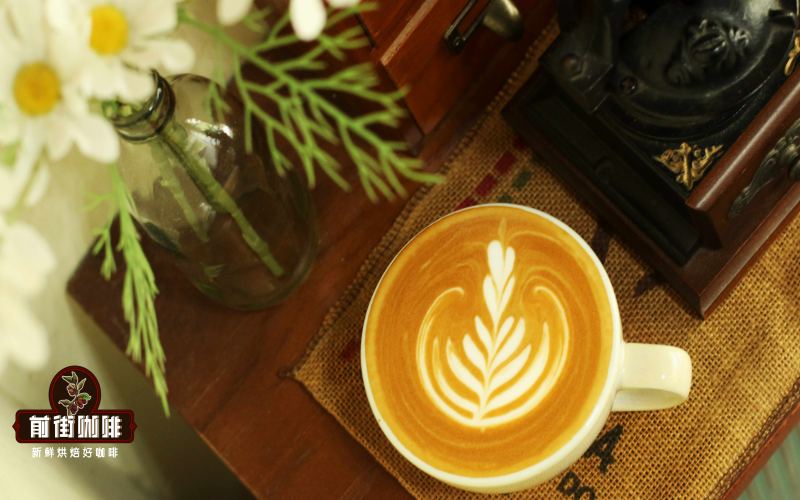
The Origins and Recipes of Spanish Latte and Café Bombón, Plus an Analysis of Valencia Condensed Milk Coffee's Taste
Adding sugar or milk to coffee has long been commonplace, but pairing coffee with condensed milk is equally distinctive. This article begins with the basic concept of condensed milk, first introducing the condensed milk approach to Vietnamese drip coffee, then focusing on Café Bombón from Valencia, Spain, explaining its simple 1:1 recipe of espresso and condensed milk and the layering principle, before extending to the familiar Spanish latte—which actually has no ties to Spain, but is simply a latte combined with condensed milk. The article also explains that making a Spanish latte calls for full-bodied Italian-style beans, and recommends Front Street Coffee's commercial blend, which combines Brazil and Colombia with a small amount of Robusta, presenting nutty aromas and a low-acid, full-bodied taste. [more…]

How to Make a Spanish Latte? A Detailed Guide to Recipes, Ratios, and Standard Methods from Condensed Milk Coffee to Café Bombón
Adding condensed milk to coffee has long ceased to be a practice unique to Southeast Asia. Vietnamese drip coffee uses condensed milk to neutralize the bitter, burnt notes of Robusta, while Spain's Café Bombón strikes a stark black-and-white contrast by combining espresso and condensed milk in a one-to-one ratio. Today's wildly popular Spanish Latte on café menus is simply a regular latte with condensed milk added, balancing espresso, fresh milk, and condensed milk in harmony. This article begins with the origins of condensed milk coffee, sorts out the differences between a Spanish Latte and a regular latte, and provides specific ratios, step-by-step instructions, and flavor profiles for both hot and iced versions, helping you reliably recreate this rich, silky milk coffee at home. [more…]
A Complete Guide to Spanish Coffee Culture: Nine Classic Drinks and the Unique Charm of Condensed Milk Coffee
Coffee presents vastly different appearances around the world, and Spain's coffee culture is particularly unique. From Café solo to Café con leche, from Café Bombón to Spanish latte, this Iberian Peninsula nation ingeniously combines coffee with condensed milk, milk, and alcohol, creating a rich and diverse array of drinking styles. Spanish cafés are not only places to drink coffee, but also the core stage of social life. This article will take you deep into the historical origins of Spanish coffee, nine classic flavors, and Front Street's insights on recreating the Spanish latte and Café Bombón, so you can feel coffee's soulful place in Spanish culture. [more…]
How to Make a Spanish Latte? An Analysis of the Ratio of Condensed Milk to Espresso and the Flavor Differences from a Regular Latte
On café menus, the Spanish latte has been appearing frequently in recent years—so what exactly sets it apart from an ordinary latte? This article starts with two condensed-milk coffees, Vietnamese drip coffee and the Spanish Café Bombón, sorts out the role condensed milk plays in coffee, and then explains in detail the recipe ratios for a Spanish latte, both hot and iced methods, as well as the flavor performance brought by the blend beans used in Front Street Coffee shops. If you're curious about how condensed milk balances coffee's bitterness and what the essential difference is between a Spanish latte and a latte, this article will give you clear answers. [more…]

Spanish Latte Didn't Originate in Spain? The Birthplaces of Ice Drip and Cold Brew, and the Beautiful Misunderstanding Behind the Name Arabica
There are quite a few interesting trivia facts hidden in the world of coffee: the Spanish latte is actually not a native Spanish drink, but originates from a candy coffee called Café Bombón; the inventor of cold brew coffee was not Japanese either, but the Dutch of the Age of Discovery. Although the cold drip tower is a Japanese improvement, the roots of cold brew as an extraction method lie in the West; and the name Arabica stems from a beautiful misunderstanding—it rose to prominence in Yemen, yet it did not originate in Arabia. Its true homeland is Ethiopia. This article guides you through these coffee trivia facts one by one, while retaining relevant recommendations from the Front Street brand for coffee enthusiasts to gain a deeper understanding. [more…]

What to Do If Espresso Is Too Bitter to Drink Straight? A Complete Guide to Fancy Ways to Enjoy It with Sugar, Milk, Lemon, and More
Espresso is extremely concentrated with intense flavor, but not everyone can accept its strong bitterness when drunk straight. Without changing the concentration of the espresso, adding sugar, dairy products, lemon, salt and other seasonings to balance the bitterness allows people to enjoy the richness of highly concentrated coffee while avoiding the unpleasant bitterness. This article summarizes a variety of fancy ways to drink espresso: the sweet neutralization of white sugar, yellow sugar, and brown sugar; the cream topping of Con Panna; the small amount of milk garnish of Macchiato; the condensed milk pairing of Spanish candy coffee; the balance of lemon acidity and granulated sugar in Roman espresso; and the little trick of adding salt to reduce bitterness. All espresso in this article is extracted using Front Street Classic Blend, with parameters of 20g, 30s, 40ml, and flavor notes of chocolate, nuts, cream, and cookies. [more…]
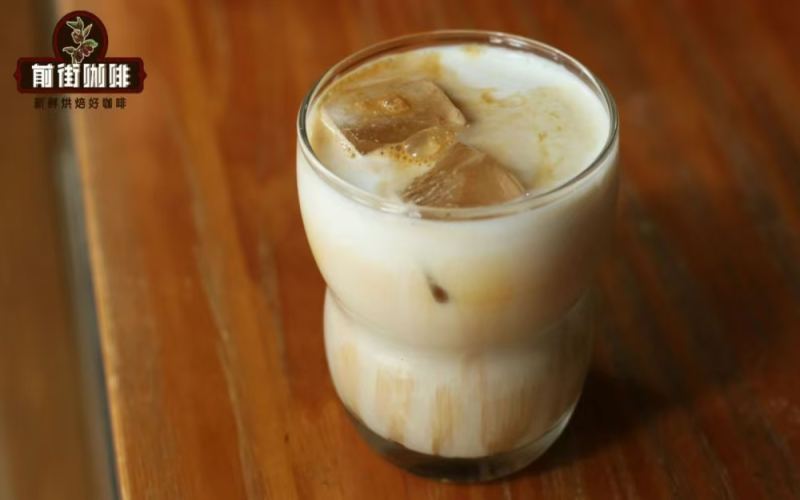
Spanish Latte Recipe | Can You Add Condensed Milk to Black Coffee? What's the Difference Between a Spanish Latte and a Regular Latte? What's the Milk-to-Coffee Ratio in a Spanish Latte?
Today, the menus in coffee shops are rich and diverse, and in order to cater to more people's tastes, adding various dairy products and flavored syrups to coffee is also very common. So have you ever heard of coffee with condensed milk? Adding condensed milk is to mask the strong bitterness in coffee. In Vietnam, the aroma of coffee drifts through the streets and alleys. [more…]

Flavor characteristics and making method of Spanish Latte: How is it different from a regular latte?
Spanish Latte has gained popularity in recent years with the expansion of %Arabica, but it has no direct connection to Spain itself; instead, it is closer to the condensed milk style of Vietnamese drip coffee. This drink consists of espresso, milk, and condensed milk, essentially a latte with condensed milk added. The Middle East particularly favors this sweet coffee, with sales of Spanish Latte in the UAE even accounting for half of the country's coffee consumption. To make it, extremely finely ground coffee powder is needed, extracted through a moka pot or a portable espresso machine. Front Street Coffee recommends using "Front Street Sunflower Warm Sun Blend Coffee Beans," which can bring rich layers of wine aroma, berry, vanilla cream, and nutty caramel. After extraction, add condensed milk and stir, and you can enjoy the sweet and rich Spanish Latte. [more…]
Costa Rica Hacienda La Esperanza Black Honey Geisha: Full Analysis of Flavor Characteristics and Pour-Over Parameters
Located in the Brunca region of Costa Rica, Hacienda Miramonte sits in the valley between Cerro de la Muerte and Cerro Chirripó. Its unique microclimate and sustainable farming philosophy give rise to black honey processed coffee with pronounced sweetness. This article walks you through Hacienda Miramonte's history, environmental practices, and black honey processing method, and offers a detailed breakdown of the flavor profile and brewing recommendations for this black honey Geisha sourced by Front Street Coffee—including dripper selection, water temperature, grind size, and a three-pour extraction technique—to help you brew a cup with rich, layered fruit notes. [more…]
Flavor Analysis and Brewing Suggestions for Costa Rica Brunca Monteverde Estate Black Honey Geisha Coffee
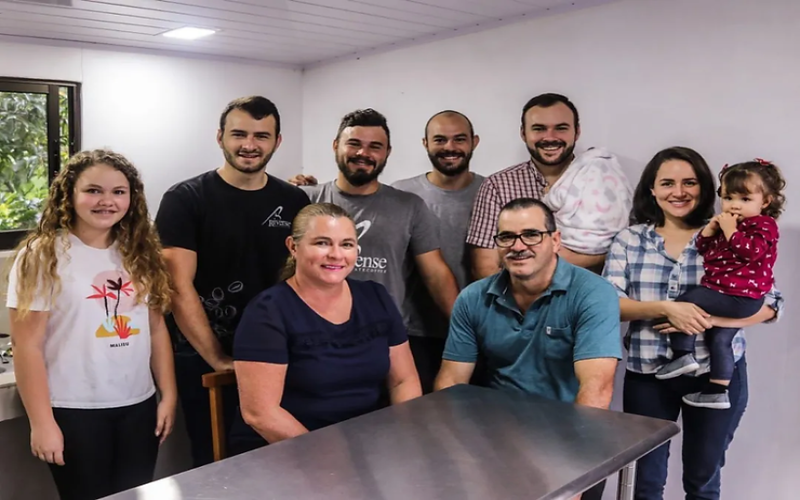
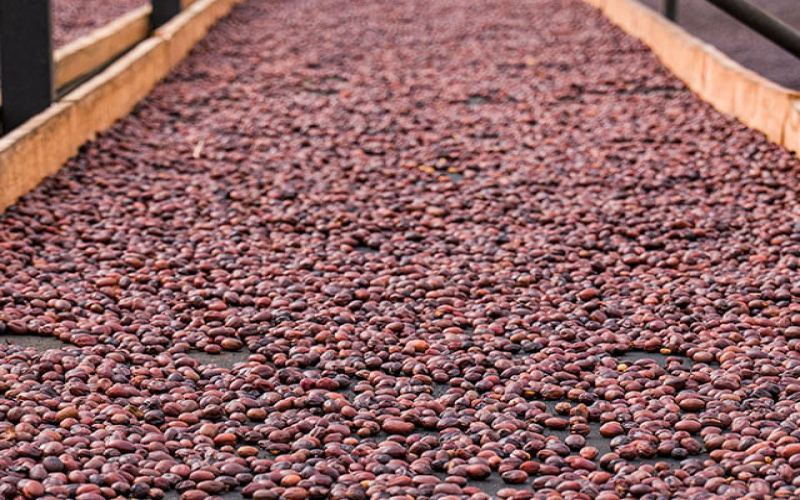
Located in the Brunca region of Costa Rica, Finca Vista al Cerro was founded in 2005 by the Ureña Rojas family at an altitude of 1,550 meters, adjacent to Chirripó Mountain and Cerro de la Muerte, where a unique valley microclimate nurtures high-quality coffee. The estate employs a black honey processing method, retaining the complete mucilage layer for 12-15 days of sun-drying, which creates this Geisha coffee's rich fermented sweetness and fruity character. This batch of black honey Geisha, sourced by Front Street Coffee, is roasted to a medium-light level, with cupping notes revealing high sweetness of citrus, cherry, and cantaloupe, soft acidity, and a full body. This article provides a detailed introduction to the estate's background and processing techniques, along with Front Street's recommended V60 three-pour brewing parameters, helping coffee enthusiasts recreate its rich layers of flavor at home. [more…]
Costa Rica Hacienda La Esperanza Sun-Dried Geisha: A Full Analysis of Flavor Characteristics and Pour-Over Parameters
Located in the Brunca region of southern Costa Rica, Finca Montaña was founded in 2005 by the Ureña Rojas family, at an altitude of 1,550 to 1,600 meters, adjacent to Cerro de la Muerte and Chirripó, enjoying a unique microclimate and pristine ecology. The estate started with Caturra and Catuai, gradually introduced the Geisha variety, and is known for its refined natural processing. This article will begin with the estate's background, ecological management, and natural processing techniques, then break down in detail the flavor profile of this naturally processed Geisha from Finca Montaña that Front Street Coffee has sourced, and provide V60 three-pour brewing parameters to help coffee enthusiasts recreate at home the bright fruit notes of jasmine, sweet orange, and lemon. [more…]
Exploring Costa Rica's Brunca Region: A Flavor Analysis of Finca Las Piedras Anaerobic Heavy Honey Process
The blueberry-flavored coffee from Costa Rica's Las Lajas Estate was once one of my favorite beans, but unfortunately it is currently out of stock. That blueberry gummy-like sweetness and the minty coolness emerging from the fermented wine finish made it a must-have coffee for summer in my mind. Where exactly is Las Lajas Estate located in Costa Rica? Why can it present such clear flavors? Today, Front Street Coffee will take everyone deep into the Brunca region to explore the story of Las Lajas Estate and analyze the unique charm of this anaerobic heavy honey-processed coffee. [more…]
A Comprehensive Guide to Colombia Supremo Coffee Grade and the Flavor Characteristics of the Medellín Region
Colombian coffee occupies an important place in the global specialty coffee landscape, and among them, Supremo, the country's highest-grade coffee bean, has always attracted the attention of coffee lovers. This article will explore Supremo's taste characteristics, grade classification, the terroir conditions of the Medellín producing region, and the flavor expression brought by washed processing, giving you a comprehensive understanding of this high-quality coffee with notes of sweet orange, nuts, and chocolate. It will also introduce the background of the geographical indication certification of the Colombian Coffee Growers Federation, as well as Front Street Coffee's reasons for recommending this bean, providing a reference for your purchase. [more…]
Analysis of Famous Colombian Estate Coffee Beans: Does the Supremo Grade Represent Specialty Coffee Quality?
Colombia is a globally renowned coffee-producing country, and Supremo in its grading system is often mistakenly regarded as synonymous with specialty coffee. From the perspective of Front Street Coffee, this article systematically reviews the cultivation history, producing regions, grading standards, and processing methods of Colombian coffee, provides an in-depth analysis of the true relationship between Supremo and Excelso, and introduces one by one the terroir characteristics of well-known micro-regions such as Cauca, Huila, and Nariño. Whether you are a beginner just getting into single-origin coffee or a seasoned drinker looking for everyday beans, you can gain clear regional understanding and purchasing references from it. [more…]
Espresso Tasting and Pairing Handbook: Drinking Techniques and Flavor Pairings from Single to Con Panna
Espresso, called by many seasoned enthusiasts the gongfu tea of the coffee world, is both the base of flavored coffee drinks and a way to present pure flavor on its own. This article systematically sorts through the drinking methods and pairing suggestions for four classic espressos—Single espresso, Macchiato, Double espresso, and Con panna—breaking down the finer points one by one, from cup volume, milk foam, and strength to the thickness of the crema. At the same time, it combines Front Street Coffee's product recommendations to help coffee lovers find the cup that suits them better, whether at home or in a café. [more…]
Comparison of Sun-Dried Coffee from Costa Rica's Three Major Regions: Analyzing the Flavor Differences Between Tarrazú, the Western Valley, and the Central Valley
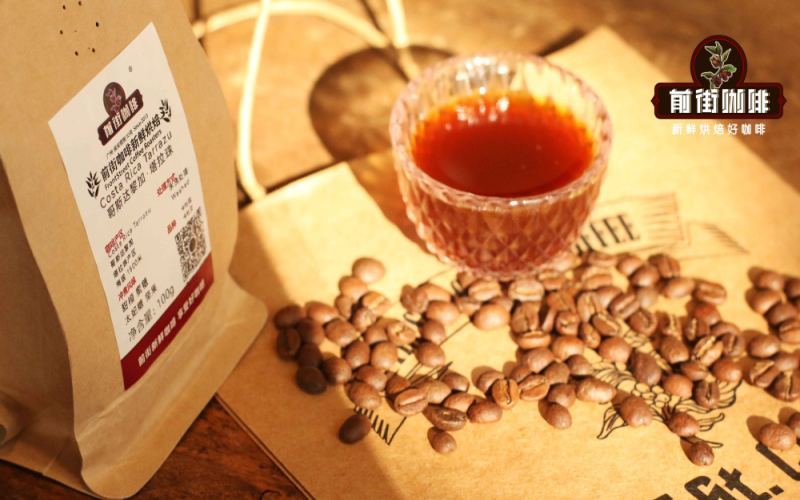
Front Street Coffee has previously compared the differences among coffees from various Kenyan regions using the same processing method; this time, we turn our attention to Costa Rica. Also using natural processing, how much will the flavors differ among coffees from three major regions—Tarrazú, the Western Valley, and the Central Valley? This article will compare three beans—from the Pirong Processing Plant, Genesis, and Black Soul—one by one, from bean background, green bean appearance, and roasting curves to cupping and pour-over performance. If you haven't yet tried Costa Rican specialty coffee, you might start with the classic Front Street Tarrazú washed Caturra and savor its soft aroma of sweet orange, nuts, and chocolate. [more…]
Exploring Costa Rican Coffee: A Full Analysis of Flavor Characteristics, Eight Major Regions, and Variety Classification
Costa Rica, a Central American country, nurtures consistently high-quality Arabica coffee thanks to its high altitude, fertile volcanic soil, and microclimates. Since the introduction of coffee in 1729, the local government has promoted the refined development of the coffee industry through policies such as tax exemptions, land incentives, and legislation mandating the cultivation of only Arabica. This article will guide you through Costa Rica's coffee cultivation history, the distribution of its eight major producing regions and their flavor differences, and provide an in-depth analysis of the characteristics of major varieties such as Caturra, Catuai, Geisha, and Bourbon. Finally, it includes brewing suggestions from Front Street Coffee to help you gain a comprehensive understanding of this Central American coffee powerhouse. [more…]
A Comprehensive Analysis of Costa Rican Coffee: From Introduction History to Eight Major Producing Regions and the Variety Classification System
Although Costa Rica is often jokingly referred to as a homophone of "Godzilla," it is a pivotal specialty coffee-producing country in Central America. Since the first coffee seedling was introduced from Cuba in 1729, this country has been inextricably linked with coffee. High altitudes, microclimates, and fertile volcanic soil provide exceptional growing conditions for Arabica. From government tax incentives encouraging cultivation, to legislation limiting production to Arabica only, to institutions like ICAFE and CATIE promoting quality improvement, Costa Rica has pursued a path of quality supremacy in coffee. This article will guide you through its introduction history, the terroir differences of its eight major producing regions, its main cultivated varieties, and its altitude-based grading system, along with Front Street Coffee's brewing recommendations. [more…]
From Mayan Homeland to Specialty Cupping: A Complete Guide to Guatemalan Coffee Regions, Processing Methods, and Flavors
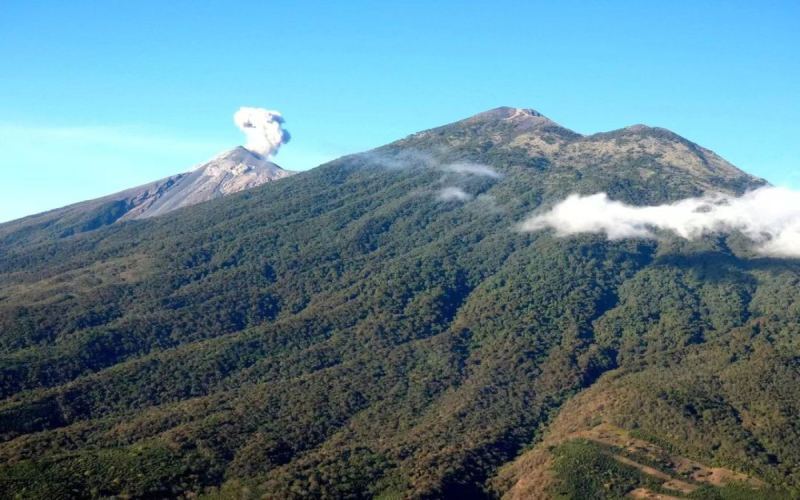
Guatemala, the land that gave birth to the Maya civilization, has also won over countless coffee lovers with its rich and elegant coffee flavors. From small plantations in the 19th century to consistently ranking first in Central American coffee production throughout the 20th century, Guatemala's coffee industry has traveled a winding yet glorious path. This article traces the historical threads and industrial changes of Guatemalan coffee, introduces how Anacafé has mapped out a flavor landscape through eight major regions, and focuses on analyzing the terroir characteristics and cup profiles of three representative regions: Antigua, Huehuetenango, and New Oriente. At the same time, we will also learn about the widespread application of the washed processing method in Guatemala, as well as the flavor orientations of products on the Front Street Coffee menu such as Guatemala Flor del Bosque, Huehuetenango, and Geisha. [more…]